Tort law, a fundamental aspect of the legal system, encompasses various types of wrongdoings and liabilities. Dive into this intricate area of law to unravel its complexities and significance.
Introduction to Tort Law
Tort law is a branch of civil law that deals with wrongful acts that result in injury or harm to individuals or property. It allows individuals to seek compensation for damages caused by the actions of others.





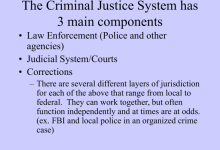
Unlike criminal law, which focuses on punishing offenders for crimes against society, tort law aims to provide remedies to victims and compensate them for their losses. It is based on the principle of accountability and seeks to ensure that individuals are held responsible for their actions.
Objectives of Tort Law
- Tort law aims to provide compensation to individuals who have suffered harm or injury due to the wrongful actions of others.
- It serves as a deterrent to prevent individuals from engaging in negligent or intentional harmful behavior.
- By holding individuals accountable for their actions, tort law promotes a sense of justice and fairness in society.
- It also helps to allocate the costs of injuries or damages appropriately, ensuring that the responsible party bears the financial burden.
Types of Torts
Intentional, negligence, and strict liability are the three main types of torts that individuals can be held liable for. Each type involves different elements that need to be proven in order to establish liability.
Intentional Torts
Intentional torts are actions that are done on purpose to harm someone else. The key elements that need to be proven in intentional tort cases are:
- Intent: The defendant intended to commit the harmful act.
- Act: The defendant actually carried out the harmful act.
- Causation: The harmful act directly caused harm to the plaintiff.
Examples of intentional torts include assault, battery, false imprisonment, trespassing, and intentional infliction of emotional distress.
Negligence Torts
Negligence torts involve careless actions that result in harm to another person. The elements that need to be proven in negligence cases are:
- Duty of care: The defendant owed a duty of care to the plaintiff.
- Breach of duty: The defendant breached that duty by acting carelessly.
- Causation: The defendant’s careless actions directly caused harm to the plaintiff.
- Damages: The plaintiff suffered actual harm or damages as a result.
Examples of negligence torts include car accidents, slip and fall incidents, medical malpractice, and product liability cases.
Strict Liability Torts
Strict liability torts involve situations where a person is held responsible for harm caused, regardless of intent or negligence. The key element in strict liability cases is:
- Liability: The defendant is held liable for harm caused, regardless of fault.
Examples of strict liability torts include ultrahazardous activities like keeping wild animals or using explosives, as well as product liability cases for defective products.
Negligence in Tort Law
Negligence in tort law refers to the failure to exercise reasonable care that a prudent person would have exercised in a similar situation, resulting in harm or injury to another party.
Elements of Negligence
When proving negligence in a tort case, the following elements must be established:
- Duty: The defendant owed a duty of care to the plaintiff.
- Breach: The defendant breached that duty by failing to act as a reasonable person would have under similar circumstances.
- Causation: The defendant’s breach of duty directly caused the plaintiff’s injury.
- Damages: The plaintiff suffered actual harm or loss as a result of the defendant’s breach of duty.
Examples of Negligence Cases
Here are some examples of negligence cases and their outcomes:
- A driver fails to stop at a red light, causing a collision with another vehicle. The injured party sues the driver for negligence and is awarded compensation for medical expenses and vehicle damage.
- A doctor prescribes the wrong medication to a patient, resulting in severe side effects and further health complications. The patient files a lawsuit for medical malpractice based on negligence and receives a settlement for pain and suffering.
- A property owner neglects to repair a broken staircase on their premises, leading to a visitor slipping and getting injured. The visitor successfully sues the owner for negligence and is awarded compensation for their injuries.
Intentional Torts
Intentional torts are wrongful acts that are committed deliberately by one party against another, resulting in harm or injury. Unlike negligence, intentional torts involve a specific intent to cause harm or offense. These types of torts often involve intentional actions that lead to physical, emotional, or financial harm to the victim.
Characteristics of Intentional Torts
Intentional torts are characterized by the following key features:
- Intent: The tortfeasor must intend to commit the wrongful act, knowing that harm will likely result from their actions.
- Direct Causation: The harm caused must be a direct result of the intentional act.
- No Justification: There is no legal justification or excuse for the intentional act.
Examples of Common Intentional Torts
- Assault: The threat of imminent harm or offensive contact that creates fear in the victim.
- Battery: The intentional and unlawful physical contact with another person without their consent.
- False Imprisonment: The intentional confinement or restraint of another person without lawful authority.
Defenses Available for Intentional Torts
Intentional torts can sometimes be defended against using certain legal defenses, including:
- Consent: If the victim consented to the act or the risk involved, it may serve as a defense against liability.
- Self-defense: The defendant may argue that they acted in self-defense to protect themselves from harm.
- Defense of others: Similar to self-defense, the defendant may have acted to protect another person from harm.
- Defense of property: The defendant may claim that they acted to protect their property from harm.
Defenses in Tort Law
Defenses in tort law refer to legal arguments presented by the defendant to counter the plaintiff’s claim of liability. These defenses aim to excuse or justify the defendant’s actions, thereby reducing or eliminating their legal responsibility for the harm caused.
Contributory Negligence
Contributory negligence is a defense where the plaintiff’s own negligence contributed to their injuries. In states that follow this doctrine, if the plaintiff is found to be even slightly at fault for the accident, they may be barred from recovering any damages.
Assumption of Risk
Assumption of risk is a defense where the plaintiff voluntarily exposed themselves to a known danger. By knowingly accepting the risks involved, the plaintiff may be prevented from seeking compensation for any resulting harm.
Comparative Negligence
Comparative negligence allows for a more equitable distribution of damages based on each party’s degree of fault. In states that follow this principle, the plaintiff’s recovery is reduced by their percentage of fault, but they are not completely barred from compensation like in contributory negligence states.
Statute of Limitations
The statute of limitations defense asserts that the plaintiff took too long to file their claim, exceeding the time limit set by law. If the plaintiff fails to initiate legal action within the specified timeframe, the defendant may use this defense to have the case dismissed.
Damages in Tort Law
Damages in tort law refer to the monetary compensation awarded to the injured party as a result of the harm caused by the defendant’s actions. There are two main types of damages available in tort cases: compensatory damages and punitive damages.
Types of Damages
- Compensatory Damages: These are intended to compensate the injured party for the actual losses or harm suffered due to the defendant’s actions. Compensatory damages can include medical expenses, lost wages, property damage, and pain and suffering.
- Punitive Damages: Punitive damages are awarded in addition to compensatory damages and are meant to punish the defendant for their egregious conduct and deter others from engaging in similar behavior. These damages are not based on the actual harm suffered by the plaintiff but on the defendant’s conduct.
Calculating Damages
In tort cases, damages are typically calculated based on the actual losses incurred by the plaintiff. Compensatory damages aim to restore the injured party to the position they were in before the harm occurred. The calculation of compensatory damages may involve medical bills, repair costs, lost income, and other quantifiable losses.
Purpose of Punitive Damages
Punitive damages serve the purpose of punishing the defendant for their misconduct and deterring similar behavior in the future. These damages are awarded when the defendant’s actions are deemed to be particularly egregious, reckless, or intentional. Punitive damages are meant to send a message that such behavior will not be tolerated in society.
Case Analysis in Tort Law
When analyzing a tort law case, it is essential to follow a structured process to ensure all key components are thoroughly considered. This step-by-step guide will help you navigate through the complexities of a tort case analysis, focusing on the facts, legal issues, arguments, and the importance of precedent in shaping outcomes.
Step-by-Step Guide to Analyzing a Tort Law Case
- Start by carefully examining the facts of the case, including the events leading to the dispute, the parties involved, and any relevant details.
- Identify the legal issues at hand, which may involve determining whether a duty of care was owed, if that duty was breached, and if the breach caused harm to the plaintiff.
- Evaluate the arguments presented by both parties, considering the evidence, witness testimonies, and legal precedents that may support or refute their claims.
- Apply the relevant laws and precedents to the case to analyze how similar situations have been decided in the past and how they may influence the current case.
- Consider the potential defenses that could be raised by the defendant, such as contributory negligence, assumption of risk, or statutory limitations.
- Assess the damages claimed by the plaintiff and determine the extent of compensation that may be awarded based on the harm suffered.
Key Components in Analyzing a Tort Case
- Facts: Understanding the factual background of the case is crucial in determining liability and assessing damages.
- Legal Issues: Identifying the legal questions that need to be resolved is essential for crafting legal arguments and reaching a verdict.
- Arguments: Evaluating the arguments presented by both parties helps in assessing the strengths and weaknesses of each side’s case.
Importance of Precedent in Tort Law Cases
Precedent plays a significant role in shaping the outcomes of tort law cases by providing guidance on how similar cases have been decided in the past. It helps in establishing consistency, predictability, and fairness in the legal system, ensuring that similar cases are treated alike. By analyzing precedents, legal professionals can anticipate how a court may rule on a particular issue and use past decisions to support their arguments effectively.
Tort Law Reform
In modern society, the need for tort law reform has become increasingly apparent due to various factors affecting the legal landscape. As the dynamics of society, technology, and economics evolve, there is a growing recognition that tort law may need to adapt to address new challenges and ensure fair outcomes for all parties involved.
Potential Areas for Reform in Tort Law
Identifying potential areas for reform in tort law is crucial to address the changing needs of society and improve the effectiveness of the legal system. Some key areas that could benefit from reform include:
- 1. Limiting Damages: There is a debate over whether damages awarded in tort cases are excessive and whether there should be caps on the amount that can be awarded.
- 2. Streamlining the Legal Process: Simplifying and expediting the legal process for tort cases could help reduce costs and delays for both plaintiffs and defendants.
- 3. Expanding Liability: Some argue that certain parties, such as corporations or government entities, should be held more accountable for their actions through expanded liability in tort law.
Pros and Cons of Implementing Tort Law Reforms
Debating the pros and cons of implementing tort law reforms is essential to ensure that any changes made are beneficial and not detrimental to the legal system. Some arguments for and against tort law reforms include:
- Pros:
- Cons:
• Improved access to justice for victims
• Greater clarity and consistency in legal standards
• Enhanced deterrence of wrongful conduct
• Potential increase in litigation costs
• Risk of limiting victims’ rights to full compensation
• Complexity of implementing and enforcing new reforms
International Perspectives on Tort Law
Tort law systems vary significantly across different countries, each influenced by cultural norms and legal traditions. Understanding these differences is crucial when analyzing how tort law operates on a global scale.
Comparison of Tort Law Systems
When comparing tort law systems in different countries, it is important to consider the key differences in how liability is established, the types of damages awarded, and the role of government regulation. For example, in the United States, tort law is largely based on common law principles, while in countries like Germany and Japan, there is a greater emphasis on statutory provisions.
Cultural Influence on Tort Law
- Cultural differences can significantly impact tort law practices globally, shaping how individuals perceive fault, responsibility, and compensation in cases of harm.
- In some countries, such as those in the Middle East, there may be a stronger emphasis on communal responsibility and reconciliation, leading to different approaches to resolving tort disputes.
- Conversely, in Western countries like the United States and the United Kingdom, there is a more individualistic approach to tort law, focusing on compensating individual victims for their losses.
Landmark International Tort Law Cases
Landmark international tort law cases serve as important precedents that influence how future cases are decided and can have far-reaching implications for legal systems worldwide.
Final Summary
In conclusion, tort law serves as a crucial framework for addressing civil wrongs and seeking justice. Its nuances and intricacies highlight the importance of understanding legal responsibilities and liabilities in society.

Content specialist focused on providing clear, accurate, and engaging information for our readers.